
I was fiddling with my wallet the other day. The thought felt oddly modern. Mobile keys, physical cards, and tiny chips all in the same ecosystem. As someone who’s lost a seed phrase once and nearly cried over it, this matters more than it sounds. Wow!
Most people think cold storage equals bulky hardware. That’s not quite true anymore. A card-sized device can hold your private keys without being conspicuous. That design choice shifts risk exposure away from your phone, and that actually matters when apps are compromised or people click the wrong link. Seriously?
Here’s the thing. Mobile apps are convenient and often beautifully designed. Convenience, however, invites attack surfaces and sloppy habits. My instinct said “this is risky” the first time I used an app-only wallet and then realized I needed a better protective layer. Initially I thought an air-gapped laptop was the only safe route, but then I noticed how cumbersome that was for everyday use and changed my mind.
NFC smart cards feel almost nostalgic. They slide into your life like a credit card. Yet they behave like a hardened vault when paired with the right mobile app. When the card does the signing, the phone simply requests authorization and relays messages. Whoa!
Security designers love layers. Layering reduces single points of failure. With a card doing the signing, the phone loses its role as sole custodial point, which is huge. On one hand it reduces theft risk, though actually it adds operational complexity for some users who dislike carrying extra devices. Hm… my bias is clear: I prefer simplicity that doesn’t compromise safety.
I once left my phone in a rideshare. Heartstopper moment. The panic lasted five minutes. What saved me then was the secondary factor on my card-based setup which meant the attacker still couldn’t drain my funds even with the phone. That anecdote stuck with me. Really?
Design wise, NFC enables a smooth handshake without cables. You tap, authorize on the card via an app, and go. That short workflow is why adoption grows. The UX has to be near flawless, otherwise people revert to risky habits like saving private keys in Notes. My work in this space taught me that convenience equals survival for mainstream adoption. Hmm…
But there are caveats. Not all cards are created equal. Quality varies across implementations and chip manufacturers. Some cards protect seeds robustly, while others leave subtle attack vectors that only a white-hat hacker would spot. On one level, the specs look similar, though on a practical level differences emerge under stress testing where real world attacks are simulated. Wow!
When evaluating a setup, ask how the private key is generated and stored. Does the card support secure element protections? Is there attestation that proves the card’s identity to the app? These are good baseline checks that separate serious products from marketing fluff. Initially I skimmed product pages and felt fooled, but then I started reading technical docs and reversed some claims. I’m biased toward transparency, so shelved anything vague. Hmm…
Integration with the mobile app is critical. The app must not assume the phone has final authority. Instead, the app should be a conduit with clear prompts and an audit trail. If the app auto-approves transactions or hides confirmations, the security model collapses. Imagine signing a large transfer with one accidental tap—no bueno. Seriously?
People often ask if NFC can be sniffed or intercepted. Technically NFC’s short range makes remote interception unlikely. Attackers would need physical proximity and specialized gear to attempt active tampering. The practical risk is lower than many fear, but it’s not zero. On the other hand, social engineering and account takeover remain real threats, so layered defenses still matter. Wow!
Firmware updates on the card are another angle. Some vendors allow over-the-air updates via the app. That convenience is nice. But update mechanisms themselves must be secured and auditable, or you introduce a fresh attack vector. To be frank, somethin’ about opaque update channels bugs me more than I expected. Hmm…
Privacy also deserves attention. Cards that reveal less metadata to the mobile app keep you safer. Minimal telemetry means fewer breadcrumbs for trackers and adversaries. When a wallet only asks for what’s required, that restraint becomes a feature that preserves privacy by default. Wow!
How the Best Implementations Work (and a Recommendation)
Good implementations separate three roles clearly: key custody, transaction composition, and connectivity. The card holds the key and signs. The phone composes transactions and displays confirmations. The network broadcasts signed transactions. When these responsibilities are cleanly divided, security and UX both improve. I’m not 100% sure every user needs this, but for anyone with meaningful holdings it’s a no-brainer.
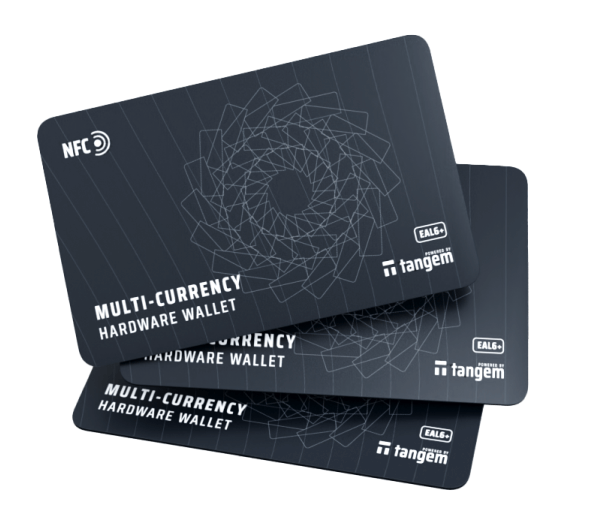
Okay, so check this out—if you want something that feels like a credit card but acts like a hardware wallet, consider tangem as an option. The ecosystem around such cards provides mature mobile apps and an approachable flow for mainstream users. My practical experience shows that when the vendor documents attestation and provides straightforward recovery options, adoption becomes realistic. Whoa!
Recovery is often misunderstood. People imagine seed phrases as the only way back. Smart-card schemes sometimes offer backup cards or custodial recovery with strong multi-factor guarantees. Those alternatives trade some decentralization for usability, which might be fine for many users. On one hand purists will scoff, though on the other hand real humans prefer workable solutions they will actually use. Hmm…
Cost matters too. A physical card can be surprisingly affordable compared to full-sized hardware wallets. That lowers the barrier for broad adoption. However cheap doesn’t mean secure. Paying a bit more for certified security falls into the “buy cheap, buy twice” territory. I say that as someone who cheaped out once. I’m not proud of that. Really?
For developers, NFC workflows must be built defensively. Confirmations should require explicit intent, and apps should fail safe when connections are interrupted. Logging should be transparent but privacy-preserving. If your app sends transaction details to third parties, rethink that model. My dev friends will nod, though many products still slip here. Wow!
Future directions excite me. Multi-card multisig where each card acts as a co-signer could blend custodial convenience with decentralized control. Offline attestation and verifiable firmware chains can raise the bar further. These aren’t just academic ideas—they’re feasible and some teams are shipping prototypes. I’m biased, but this feels like real progress. Hmm…
FAQ
Can a lost smart card be used to steal funds?
Not easily. Most cards require a local PIN or biometric unlock mediated by the app. Also, many wallets support backup strategies like additional cards or recovery phrases; though the exact risk profile depends on the product and user choices.
Is NFC safe for signing high-value transactions?
NFC is secure enough when implemented with a secure element and proper attestation. The biggest risks are poor app UX, weak update channels, or social engineering. Treat the card as one layer in a defense-in-depth approach.
What should I watch for when buying a card wallet?
Look for documented attestation, clear recovery options, strong update and signing policies, and transparent privacy practices. Also check community audits or third-party security reviews when available.